




MVP development

MVP development for startups and businesses testing a new idea: the first version of your product, used by real people. We start with discovery, agree the scope and price of the first version before the build, then grow the product in phases on the same code.

v1.0Discovery & scopeUX/UI designFirst release
30,000+
learners on a platform we built
300+
projects since 2014
12
years of shipping web apps, SaaS and mobile
NDA
signed before you share anything sensitive

Clients we’ve built for

Where you’re starting from

Every idea starts in its own way. These are the four situations we see most often.

You want to launch everything at once

The feature list keeps growing, and the launch date keeps moving.

What we do
We keep the essentials in the first version: what people need the product for, sign-up and analytics. The other ideas go into the plan for later phases.
What you get
You launch sooner and see from what people do what to build next. No idea gets lost.
You need a budget, but nobody has used the product yet

What we do
We estimate and build one phase at a time. You decide on the next one once the last one works.
What you get
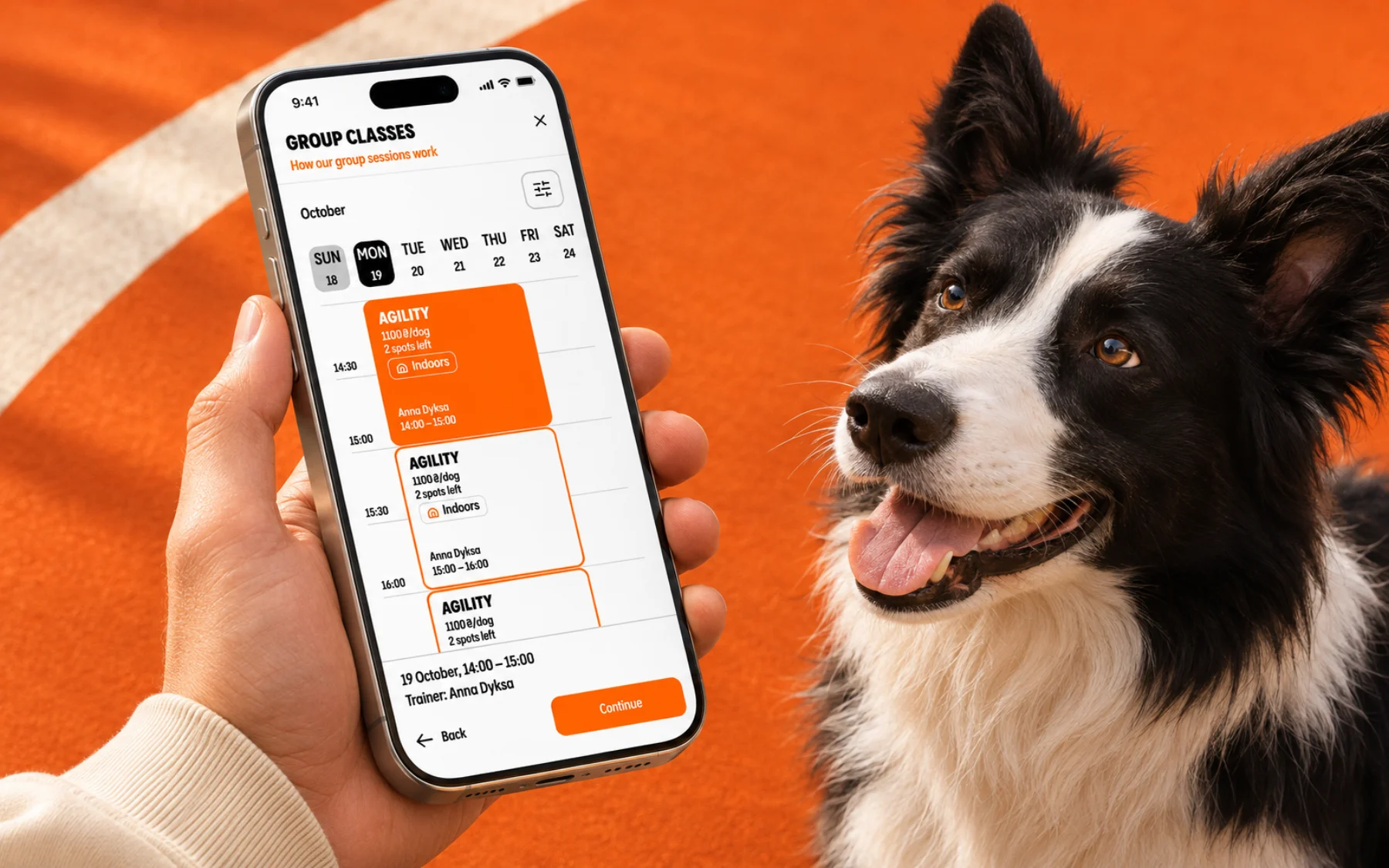
You don’t pay for features you may not need. That’s how Pawwer grew: first the website, then online booking, payments and a CRM for the team.

You’re worried you’ll have to rewrite everything once it works

What we do
We build the first version on the technology the product will keep running on. The next phase continues from working code instead of starting over.
What you get
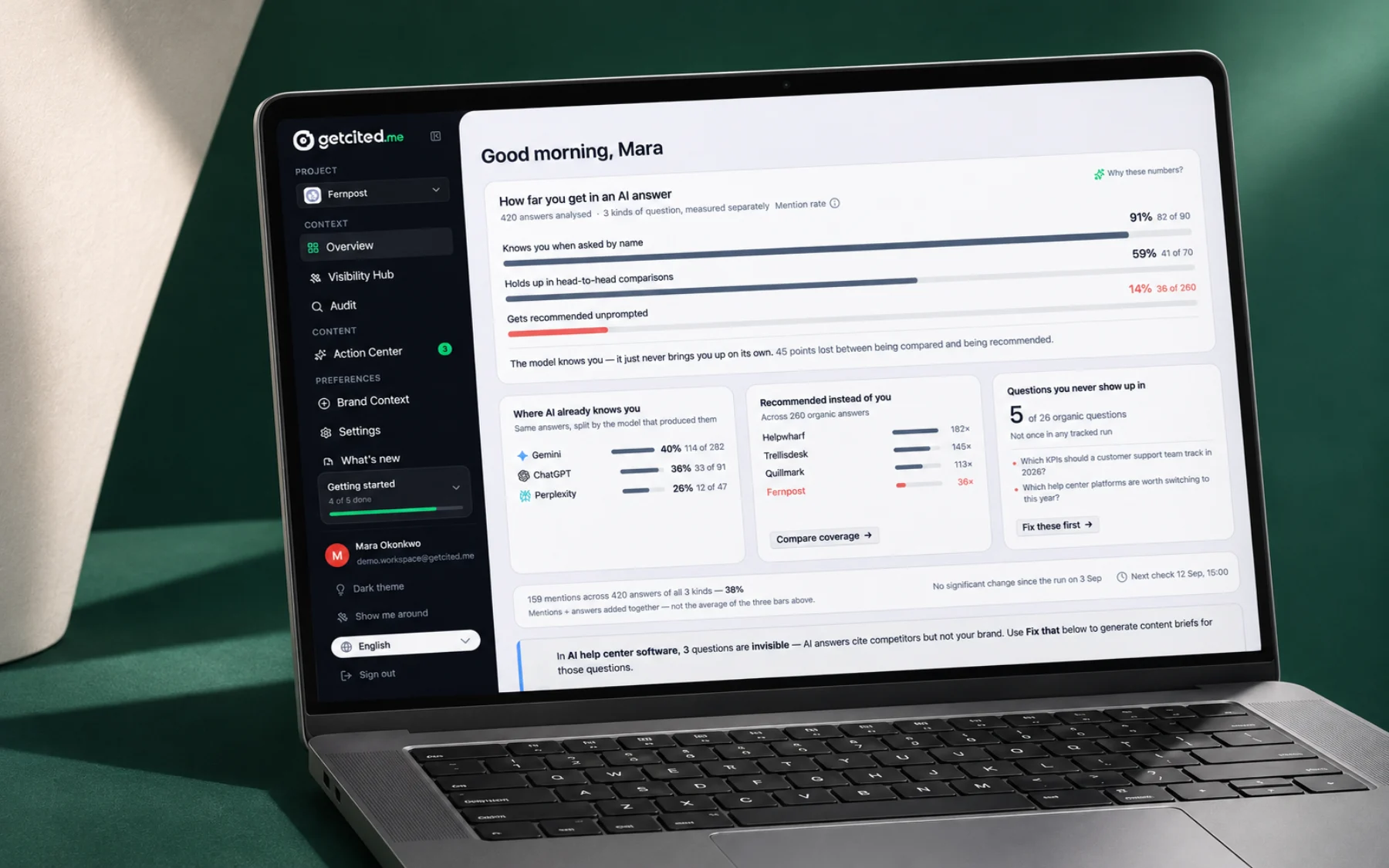
The product grows without a rewrite. That’s how AIM and GetCited grew.

You have a prototype, and it breaks with real users

For example, it was put together in an AI app builder.

What we do
We keep what works, close the security holes and rebuild the rest.
What you get
A product you can trust with real users and their data.

Case studies

Linda Zidu, Chief Operating Officer at Redlab

Start with a 30‑minute call

Talk to Linda Zidu, our COO, about your business, your goals and how you see the product. We’ll suggest the first step that gives you the most clarity.

In 30 minutes we cover

  • Your product, users and goals
  • What to build or fix first
  • Team, timeline and next steps
Book a call NDA before you share anything sensitive

How we build an MVP

At every step you know what’s happening, what you get and what it costs.

  1. 01

    Discovery

    Together we decide what the first version must do and what can wait.

    You getThe first version scope, a phase plan and a fixed price.

    Risk it removesA first version that tries to do everything and launches months late.

  2. 02

    Design

    We design the screens of the first version, starting with the riskiest flow.

    You getA prototype you can click through.

    Risk it removesRework after the code is written.

  3. 03

    Development

    Two-week sprints, a weekly status report and a demo every one or two weeks.

    You getA working part of the product every two weeks.

    Risk it removesA budget nobody controls: each sprint is paid before it starts.

  4. 04

    Launch

    We release the first version and switch on analytics and error monitoring.

    You getYour first real users, and data on what they do.

    Risk it removesLaunching blind, with no idea what works.

  5. 05

    Next phase

    We look at what people did and plan the next phase with you.

    You getA plan and a price for the next phase.

  6. Start with a short brief

    A few lines or a link is enough. Linda replies within 12 hours.

    Tell us about your idea →

What an MVP costs

  • User rolesClients, staff and admins each get their own screens and permissions. Every extra role adds to the cost.
  • Web, mobile or bothA phone app is a separate part of the product. With React Native, iOS and Android share one codebase, which costs less than two separate apps.
  • Payments and integrationsPayments, a CRM, a calendar: each outside service is its own piece of work.
  • Design and UXA custom design for your brand costs more than a simple one. So does UX work: mapping how people use the product and testing it on a clickable prototype.
  • Admin panelAlmost every product needs a panel where you manage users and content. A simple one is quick to build; reports and approvals make it bigger.

Recognition

Recognized by juries. Rated by clients

Twelve design awards for the websites we built, and a 5.0 rating from 36 client reviews on Clutch.

  • ZeussTelehealthVerified on Clutch

    “No platform supports asynchronous telemedicine with e-commerce, so it had to be custom built. The site is working great and driving sales and revenue.”

    A US telehealth brand needed a platform from medical intake to monthly subscriptions, with state and lab checks before anyone pays. Redlab built it on WordPress and Paid Memberships Pro. Zeuss case

    Jonas SiukstaFounder & CEO
  • MarTech Co.Advertising & marketingVerified on Clutch

    “They take initiative, do their own research, and come back with well-thought-out solutions.”

    MarTech Co. needed a scalable SaaS platform that manages several user levels and connects to a growing set of third-party APIs. Redlab built it and has kept improving it since May 2020. The CEO points to a team that researches problems on its own and arrives with solutions, not questions.

    CEOName withheld on Clutch
  • HexagonCrypto educationVerified on Clutch

    “…approached the project not just as developers, but as a true product partner.”

    Hexagon’s design team needed engineers to turn their designs for a crypto learning platform into a working product. Redlab built the front end and back end, including Web3 sign-in and payment integration. The co-founder describes the team as a product partner rather than a pair of hands. Learncrypto case

    Dmytro BoychukCo-Founder
  • Status Verification Co.Consumer servicesVerified on Clutch

    “They really get the job done.”

    The company needed iOS and Android apps with map features and an admin CMS to run the content. Redlab delivered launch-ready apps and kept pace as the requirements changed during the project. The work started in June 2024 and continues.

    Madeleine MacDonaldMarketing Lead
  • OAKWELLDay spaVerified on Clutch

    “They approach obstacles as shared problems, not client problems.”

    Oakwell, a day spa, needed a responsive website with online booking that works with the tools the team already uses. Redlab built the site, improved the admin panel and connected several third-party services. The CEO values a team that treats obstacles as shared problems.

    Damien ZouaouiCEO & President
  • Rapide YachtYacht brokerageVerified on Clutch

    “…delivered measurable results in terms of increased website traffic, leads, and user engagement.”

    Once the new design was ready, the yacht brokerage needed custom development to bring it to life. Redlab built the site with custom functionality on WordPress. Since launch, the founder reports more website traffic, more leads and higher user engagement.

    FounderName withheld on Clutch
  • SoftButlerQA servicesVerified on Clutch

    “…helped simplify the structure and present our services in a way that makes more sense.”

    SoftButler, a QA services company, needed a site that explains what it offers. Redlab worked out the structure and content, designed the site and built it, front end and back end.

    Yevhenii IhnatkinQA Automation Engineer

When we’re the right team

Worth knowing before the first call, for you and for us.

We’re a good fit if

  1. You’re testing a new idea and want to reach real users in weeks, not months.
  2. You’re ready to keep the essentials in the first version and leave the rest for later phases.
  3. You want the product to grow on the same code, with no rewrite after the first success.

Sounds like you?

Tell us about your idea

We’re probably not the right team if

  1. You need code written tomorrow, with no time to work through the task first.
  2. You need the full product with every feature at once, without testing it on users first.
  3. You need a team that only takes tasks and doesn’t ask about your business.

Questions about building an MVP

Something else? Write to hello@redlab.agency.

What is an MVP?

An MVP is the first version of a product with only what it takes to test the idea: whether people need it and whether they come back. Everything else comes in phases.

How much does an MVP cost?

We give you a fixed price after discovery, once the first version scope is agreed with you. It depends on user roles, platforms, integrations and design.

How long does it take to build an MVP?

We give you the timeline together with the price after discovery. A large product is split into phases, so the first version launches sooner.

What should an MVP include?

Only what proves people need the product: the main task done well, sign-up and the analytics to measure it. Everything else goes into the phase plan.

Can the MVP grow into the full product?

Yes. AIM and GetCited both started as an MVP with us. We write the first version on the technology the product will grow on, so the next phase continues from working code.

Do I need a technical co-founder?

No. We make the technical decisions with you and explain them in plain words. When you hire your own team, we hand over the code, access and documentation.

Should we start with web or mobile?

Start where your users already are. B2B products usually start on the web; consumer products often need a phone app from day one. With React Native, iOS and Android share one codebase.

Who owns the code?

You do. The code, access and accounts are in your name from day one.

Will you sign an NDA?

Yes. We sign yours or send ours before you share any details.

Tell us about your idea

A few lines or a link is enough.

What happens next

  1. 01Within 12 hours a person replies, with questions or a time for a call.
  2. 02A call. We get into your task and your goals.
  3. 03A discovery proposal with its scope, timeline and cost. We sign an NDA before you share the details.

Linda Zidu COO · answers every request

Book a call

How should we address you?

Add an email we can reply to.

Tell us a little more: at least 50 characters.

    Choose how we work together

    Start one way and change it as the product grows.